
• Four Decades of Innovation

    Since 1985, AED has defined industry standards in surgical care. From early breakthroughs in modular forceps to patented Shaver Leak Testers, we design workflow-optimizing solutions through continuous R&D, clinical collaboration and hands-on training.

  • Next-Gen Instrumentation

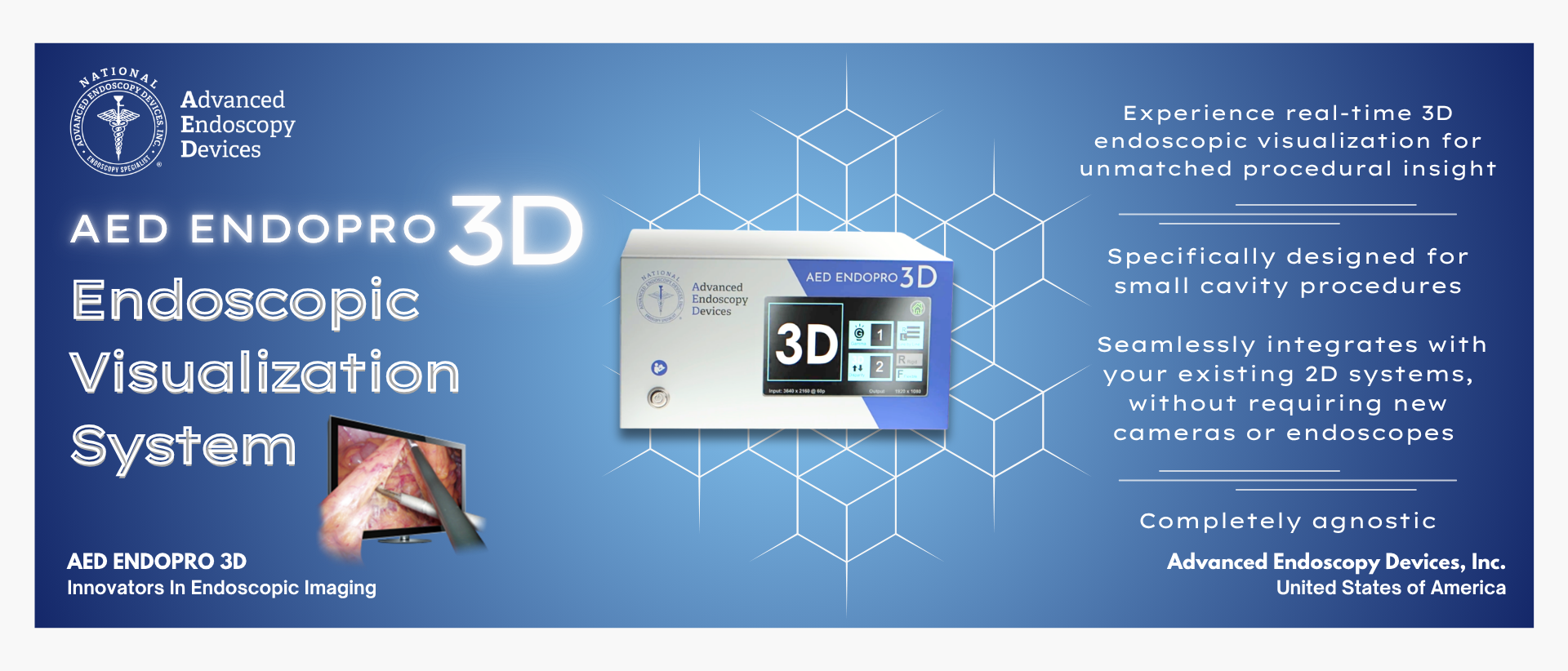
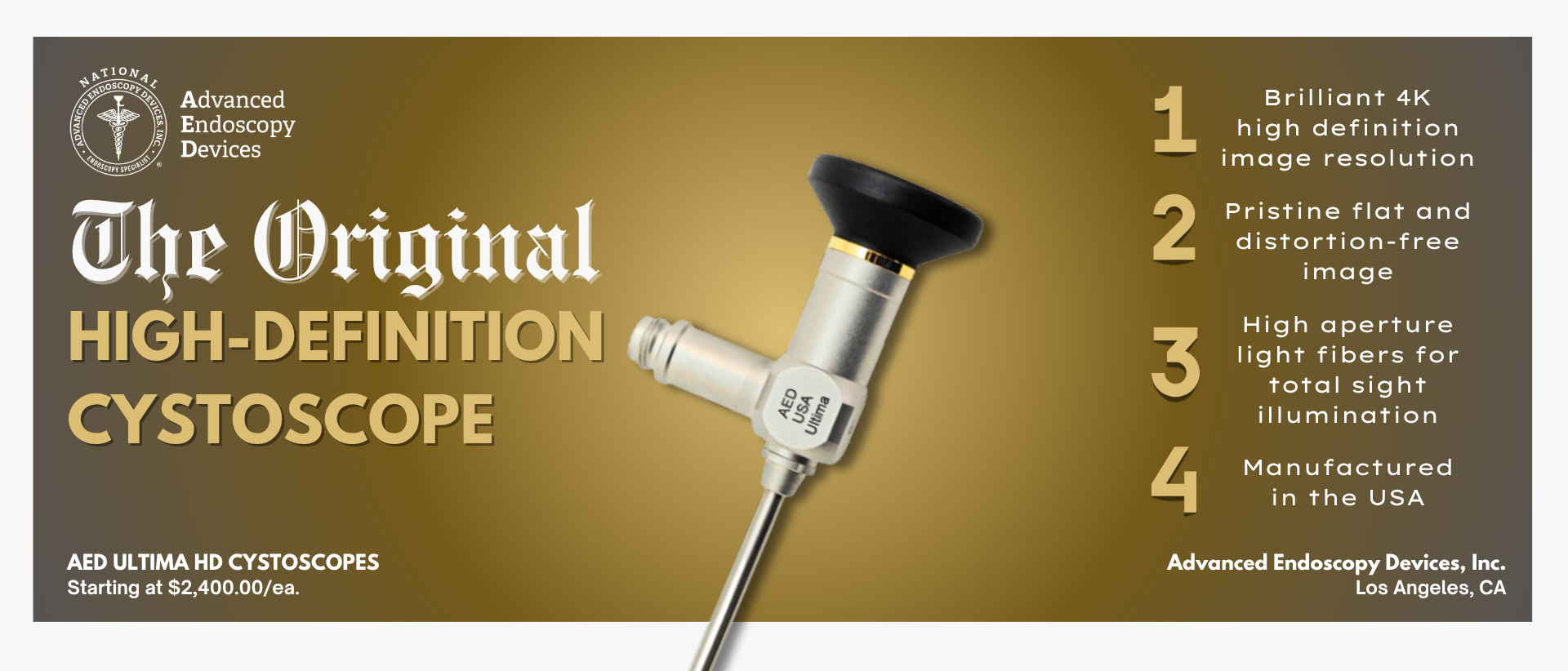
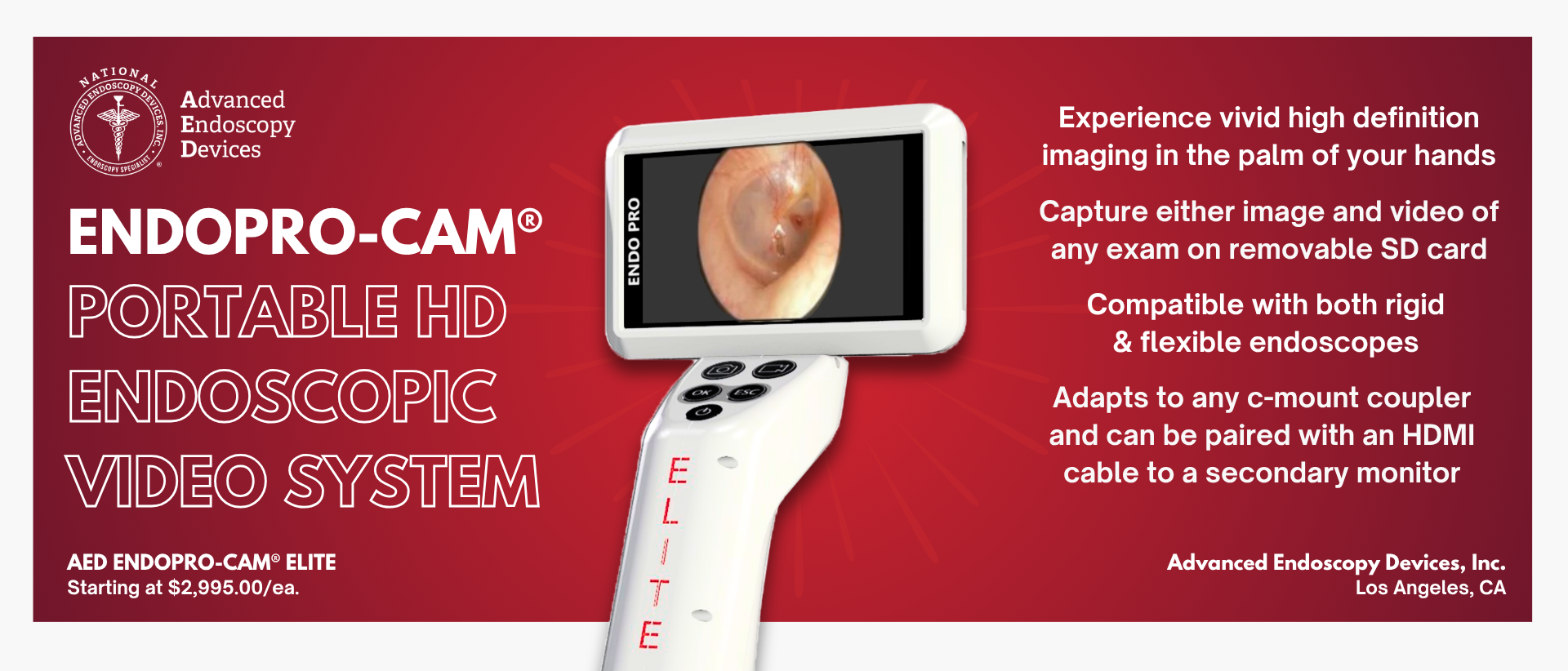
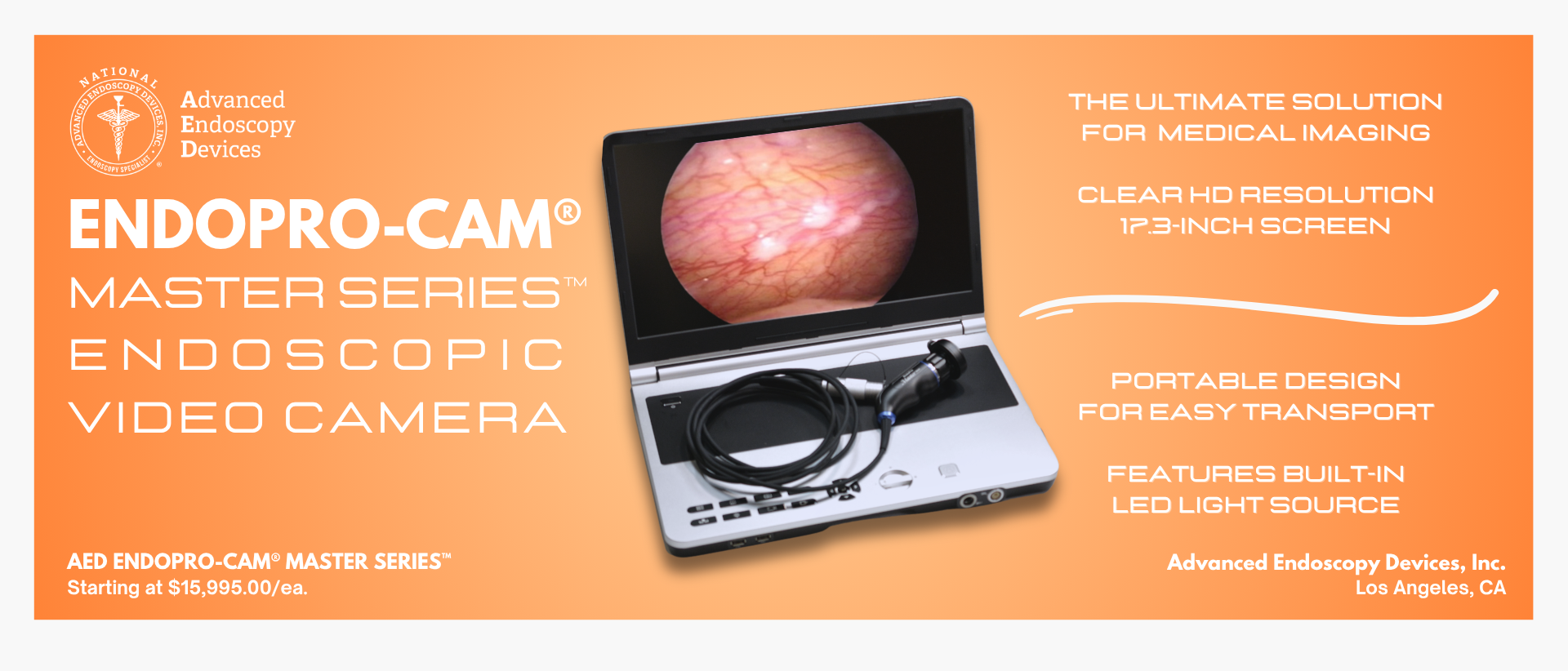
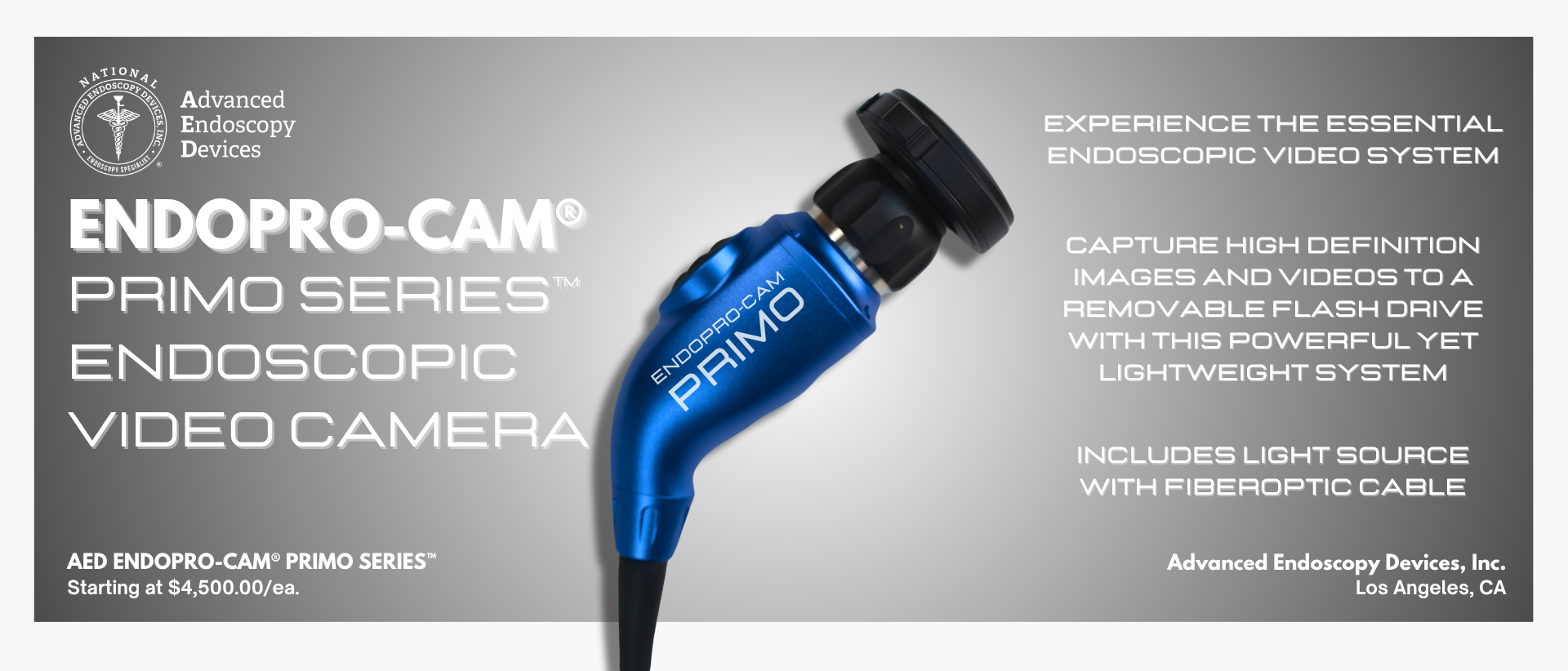
    Surgical confidence requires absolute clarity. Headlined by the AED ENDOPRO® 3D Visualization System, our advanced imaging portfolio features HD endoscopes and robotic integration engineered for maximum intraoperative control.

  • Support & Repair

    Keep your operating rooms running seamlessly. Our European factory-trained master technicians provide independent repair services with a 24-hour turnaround in most cases, a 99% success rate, and high-tier restoration at economical prices.

Collaborative Precision. Industry-Proven Standards.

For over four decades, we have partnered with top-tier research universities, leading hospitals, and premier surgical congresses to shape the future of healthcare. As a trusted OEM manufacturer for the industry’s largest medical brands, we engineer everything from high-end instruments to advanced 3D visualization systems.

Series of brain MRI scans in shades of blue, showing different cross-sections of the brain from various angles.

From Lab to OR: Redefining Skull Base Training at Stanford NeuroTraIn Center

Innovation at the Stanford Neurosurgical Training and Innovation (NeuroTraIn) Center has always been defined by a singular purpose: translating groundbreaking laboratory science directly into the operating room. From the pioneering days of the CyberKnife to the frontiers of the Neurosurgical Metaverse, Stanford has consistently pushed the boundaries of complex cranial education.

Now, that legacy takes a massive leap forward. Dr. Juan Fernandez-Miranda’s skull base team recently integrated our EndoPro® 3D visualization system into their flagship lab, anchoring a nationwide tour of North America’s top clinical programs and setting a definitive new benchmark for high-fidelity surgical training.

A New Dimension in Spatial Orientation

Navigating deep, confined operative corridors requires an absolute mastery of spatial orientation. By systematically introducing advanced stereoscopic visualization to elite institutions, this collaborative initiative is elevating collective anatomical training to a grander scale:

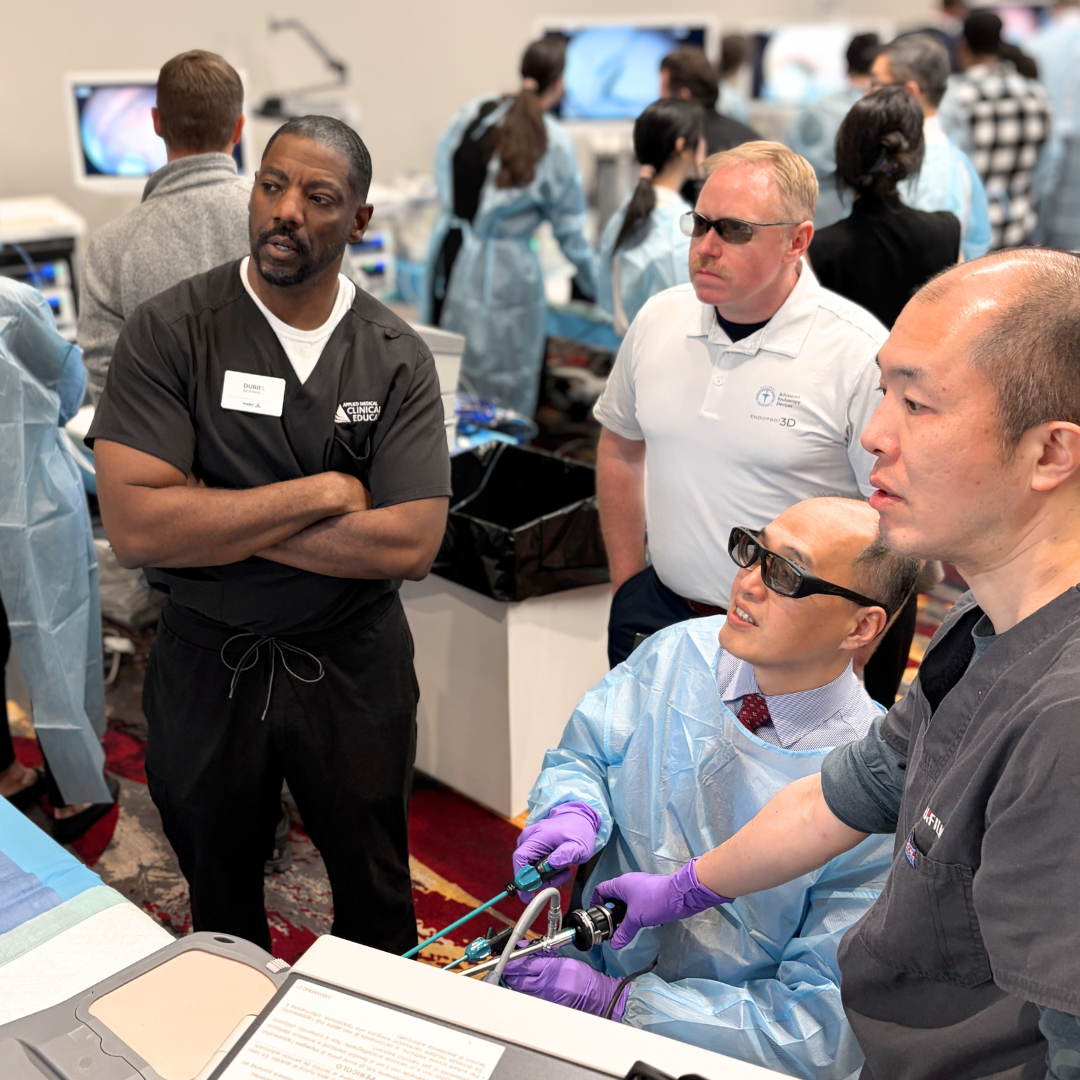
  • Unmatched Depth Perception: By applying the EndoPro® 3D system to specialized endoscopic stations, residents and visiting global scholars experienced a level of visual realism traditional 2D imaging simply cannot replicate.
  • Bridging the Gap: Immediate translation from complex neuro-simulation and white matter fiber tractography lectures to depth-enhanced, hands-on simulation prepares modern surgeons for highly precise clinical outcomes.
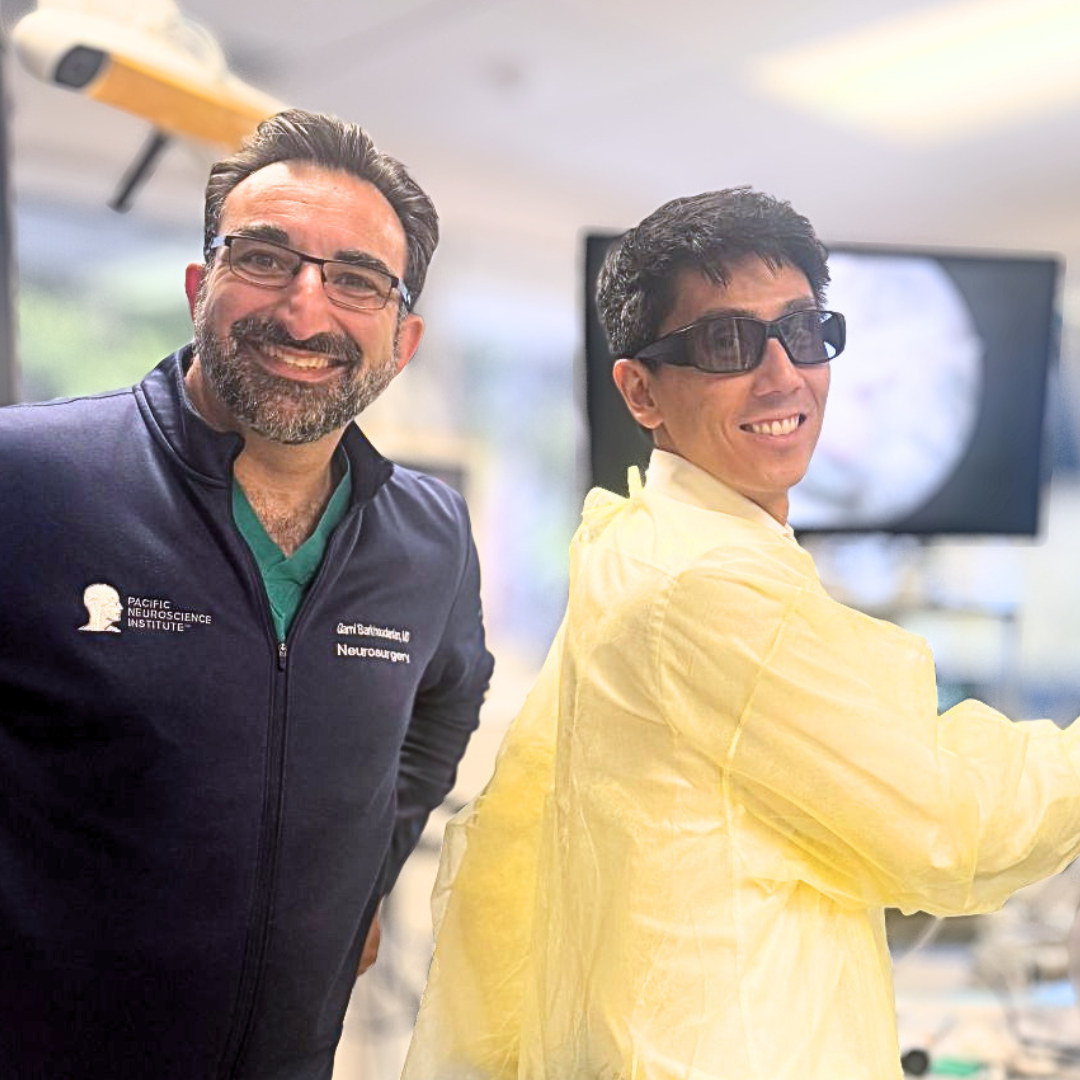
  • A Coast-to-Coast Educational Impact: This milestone at Stanford builds upon successful clinical training partnerships with leading teams at UCSF, Pacific Neuroscience Institute, McMaster University, and UHealth.

Raising the Global Benchmark for Patient Safety

Introducing these advanced 3D platforms does not replace the time-honored fundamentals of microsurgical dissection pioneered by historical masters—rather, it extends them into the modern era. By pairing technical discipline and expert mentorship with cutting-edge visualization, we are raising the standards of patient safety and educational excellence worldwide.

Curious to see how stereoscopic depth is actively transforming surgical residency curves? Visit our blog to explore the full translational philosophy, watch clips from the training labs, and read the complete breakdown from North America’s premier comprehensive neurosurgery centers.

Explore Training Insights
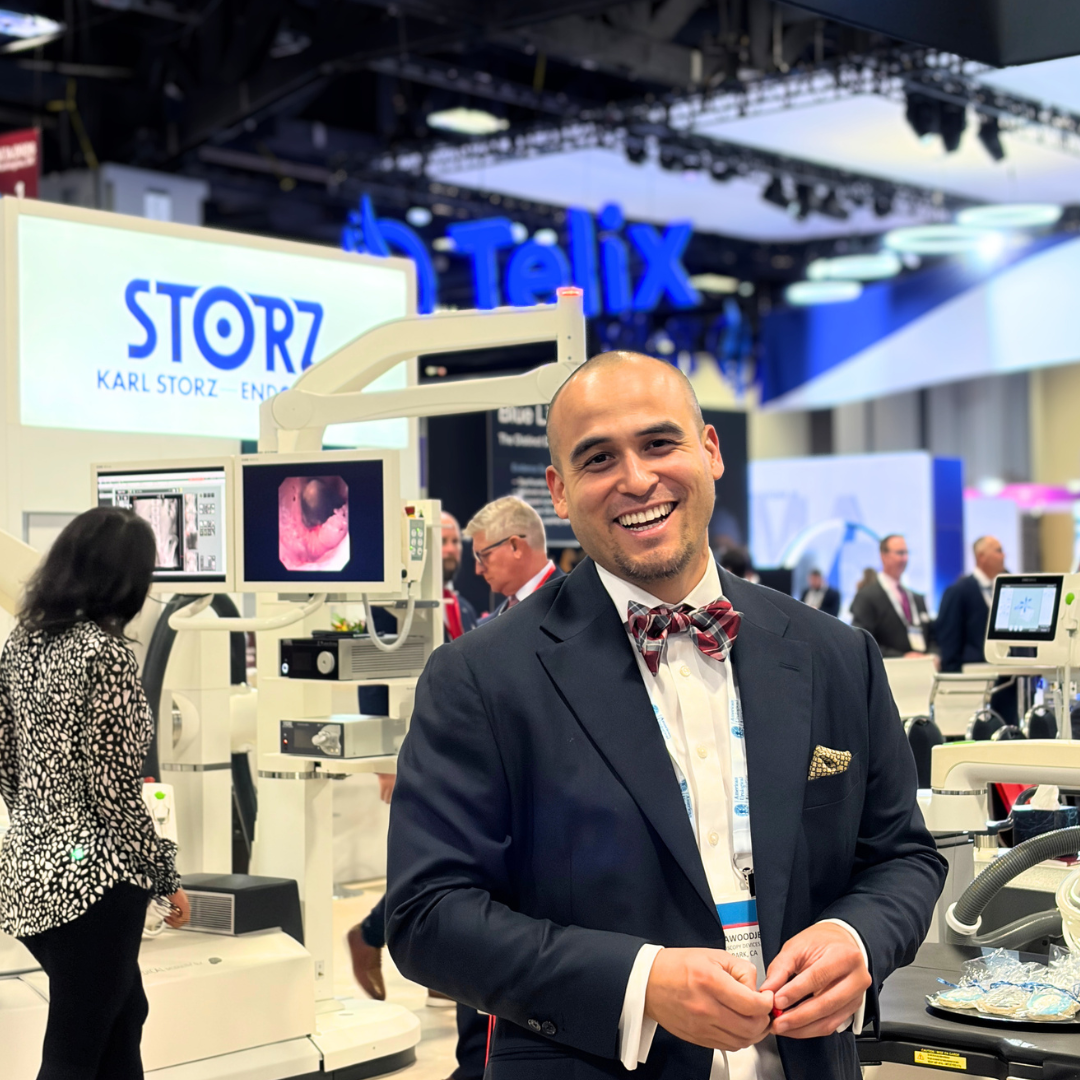
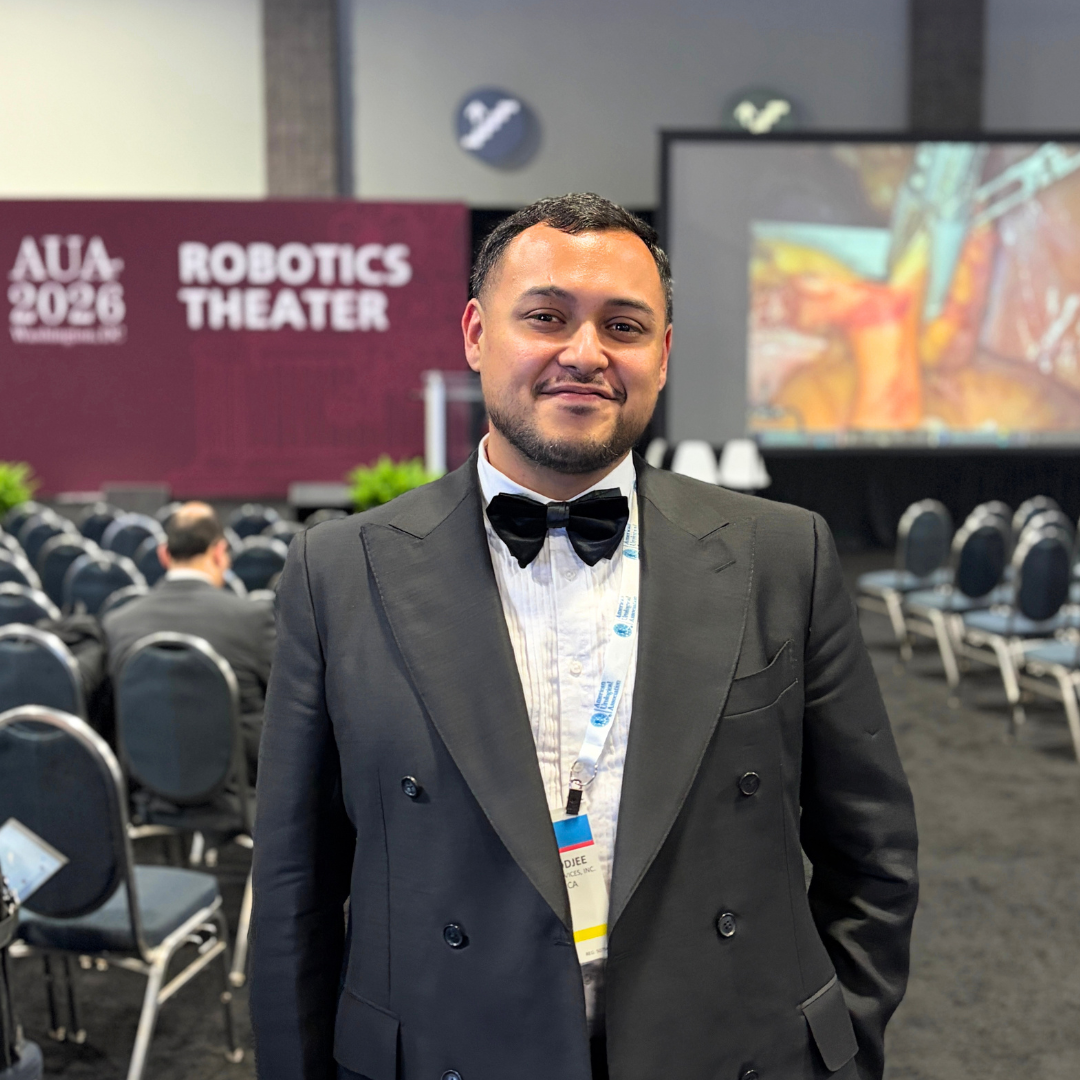
A smiling man in a suit and bow tie at a medical technology conference, surrounded by medical equipment and display screens.

AUA 2026: Robots, Telesurgery, and the New Era of Global Health Equity

The American Urological Association (AUA) 2026 meeting in Washington, D.C., brought a clear, powerful signal of where the future of urology is heading. Robotic surgery dominated the agenda, showcasing jaw-dropping advancements that stretch from next-generation force-feedback systems inside local operating rooms to groundbreaking, transcontinental telesurgery operating across oceans.

But while the industry continues to spotlight increasingly sophisticated hardware, the real conversation centered around a much bigger challenge: bridging the gap between cutting-edge innovation and global implementation to ensure these advancements actually reach patients worldwide.

The Technological Milestones Shaking the Field

This year's meeting made it clear that the paradigm shift in surgical treatment is accelerating at an unprecedented pace. Key highlights from the floor included:

  • The Da Vinci 5 Platform: Early clinical data presentations revealed how integrated force-feedback technology, enhanced 3D visualization, and redesigned ergonomics are actively reducing tissue trauma and shrinking surgeon learning curves.
  • 7,000-Mile Telesurgery: Attendees packed the Robotics Theater to review the historic, FDA-approved human clinical trial where a flawless robotic radical prostatectomy was performed on a patient located thousands of miles away with zero perceptible delay.
  • Honoring the Pioneers: The main stage celebrated Dr. Mani Menon with the prestigious Ramon Guiteras Award for developing the world’s very first robotic prostatectomy, anchoring today's remote milestones in a legacy of visionary clinical authority.

Beyond the Hardware: Engineering Global Equity

The future of urology will not be defined solely by isolated engineering breakthroughs, but by how effectively those breakthroughs are distributed. Tools developed in hyper-connected, high-resource environments must be paired with robust regional infrastructure and local training models so that rural communities and developing nations aren't left behind.

How are leading institutions tackling these systemic barriers? What did the real-world recovery and efficiency numbers look like in the first consecutive Da Vinci 5 cohorts? Read the full analysis on our blog to explore the complete clinical frameworks, telecom partnerships, and data driving the humanitarian future of surgical intelligence.

Read the Full Insights

Looking to elevate your clinical outcomes with advanced endoscopy technology?

Whether you need a product demonstration, custom procurement options, or technical specifications, our specialists are ready to assist.

Fill out the form below, and an endoscopy solution expert will respond within one business day.